There’s something quietly satisfying about filling a glass from your own kitchen tap and actually enjoying the taste. No plastic bottle, no fridge jug taking up half a shelf, no second-guessing that faint aftertaste. Just clean, fresh water that feels easy to drink.
For many households, though, tap water is not quite there. It may taste flat, smell a little chemical, leave cloudy ice, or make coffee taste dull. Sometimes the water is technically acceptable, but still not enjoyable. And honestly, that matters. If your family avoids drinking from the tap, the issue is not just convenience. It becomes a daily habit, a grocery expense, and a steady pile of plastic waste.
Why Kitchen Water Gets So Much Attention
The kitchen tap works hard. It fills drinking glasses, coffee makers, tea kettles, soup pots, pet bowls, baby bottles, and ice trays. So when the water tastes off, everyone notices. Even a small chlorine smell or mineral-heavy flavor can change the way food and drinks taste.
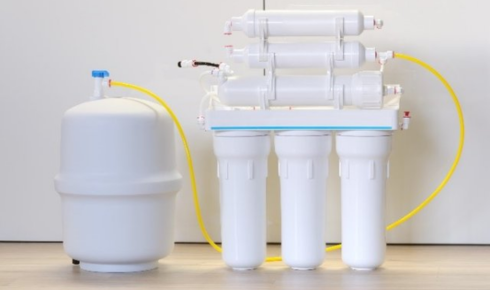
A reverse osmosis water filter is often chosen for this exact reason. It is designed to provide a deeper level of filtration for drinking and cooking water, usually through a system installed under the sink. Instead of treating every faucet in the house, it focuses on the water you consume most directly.
How Reverse Osmosis Works in Simple Terms
Reverse osmosis may sound technical, but the basic idea is fairly simple. Water passes through a very fine membrane that helps reduce many dissolved substances ordinary filters may not catch as effectively. Most systems also use pre-filters and post-filters, often including carbon filtration to improve taste and odor.
The result is water that usually tastes cleaner, lighter, and more neutral. That can make a real difference in coffee, tea, ice cubes, soups, and everyday hydration. You may not think about it every time you take a sip, but you’ll notice it when the old taste is gone.
What Makes RO Different from Basic Filters
Pitcher filters and faucet filters can be helpful for minor taste concerns, and they are easy to use. But they also have limits. They treat small amounts of water, need frequent cartridge changes, and may not reduce the same range of dissolved materials as reverse osmosis.
An RO drinking water system is usually more permanent and more convenient. It sits under the sink, connects to a dedicated faucet, and keeps filtered water ready for daily use. Many systems can also connect to a refrigerator or ice maker, which is a nice bonus if your family uses ice often.
Better Taste Can Change Habits
It sounds simple, but when water tastes better, people drink more of it. Kids may stop asking for bottled water. Adults may refill glasses more often. Coffee can taste smoother. Ice cubes may look clearer and smell fresher. Cooking with cleaner-tasting water can also make soups, rice, pasta, and sauces feel a little better.
This is where purified water becomes less of a luxury and more of a practical daily improvement. You are not just buying a system. You are making good water easier to access, right where you already need it.
Is Reverse Osmosis Right for Every Home?
Not always. That’s important to say. Some homes may only need a carbon filter for taste and odor. Others may need a whole-house filter, a softener, or well water treatment before an RO system makes sense. Water quality depends on the source, plumbing, local treatment methods, and household concerns.
A water test is the smartest starting point. It helps show what is actually in your water instead of relying on guesswork. If your main concern is drinking water quality at the kitchen sink, reverse osmosis may be a strong option. If your entire home has odor, sediment, or hardness issues, you may need a broader solution too.
Maintenance Is Part of the Deal
Reverse osmosis systems are not difficult to care for, but they do need attention. Filters must be changed on schedule. The membrane has a service life. Storage tanks and faucets should be checked occasionally. If maintenance is ignored, water flow may slow down and performance may drop.
Before installing a system, ask about filter replacement timing, cost, and service options. A good system should fit your lifestyle, not become another annoying chore. Many homeowners find that once they understand the schedule, maintenance is pretty manageable.
Bottled Water Is Not Always the Easier Choice
At first, bottled water feels convenient. You buy a case, stick it in the pantry, and move on. But over time, it becomes repetitive. Carrying heavy packs, storing bottles, running out unexpectedly, and dealing with plastic waste all get old.
An under-sink system can reduce that hassle. The water is already there when you want it. No last-minute store trip. No half-empty bottles around the house. No wondering who forgot to restock the fridge.
A Quiet Upgrade with Everyday Value
Reverse osmosis is not the flashiest home improvement. Nobody walks into your kitchen and gasps at the filter under the sink. But they may notice the coffee tastes better. They may ask why the ice is clearer. Your family may simply start drinking more water without making a big deal of it.
That’s the beauty of better drinking water. It blends into everyday life. Once you have it, you stop thinking about the old problems — the odd taste, the bottled water runs, the cloudy ice. Clean water becomes normal, exactly as it should be.