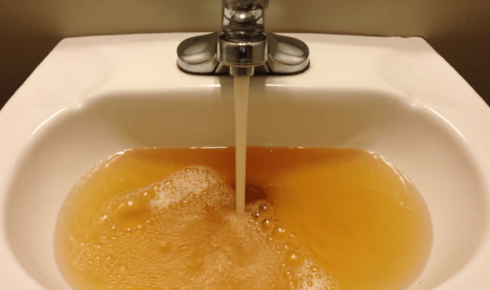
There are few things more annoying than turning on the tap and seeing water that looks slightly yellow, orange, or brown. It makes you hesitate. You might let it run for a minute, hoping it clears. Sometimes it does. Sometimes it doesn’t. And even when it looks normal again, that little doubt stays in your mind.
Water should feel simple. You use it to cook, shower, wash clothes, clean dishes, and fill your glass at night. But when rust-colored stains show up in the sink or your white laundry starts looking dull, it’s a sign that something in the water deserves a closer look. The problem may not always be dangerous, but it can definitely become frustrating, messy, and expensive if ignored for too long.
Why Water Turns Orange or Brown
One common cause of discolored water is iron and rust moving through the plumbing system. This can happen in homes with older pipes, private wells, or municipal water lines that have been disturbed by repairs, construction, or pressure changes. Sometimes the issue is temporary. Other times, it keeps coming back because the source of the iron hasn’t been treated.
Iron can enter water naturally through soil and rock, especially in well systems. Rust can also come from corroding pipes, old water heaters, or metal fixtures. The tricky part is that water may look clear when it first comes out of the tap, then slowly change color after sitting for a while. That’s usually a clue that dissolved iron is reacting with oxygen.
The Stains Are Usually the First Real Clue
Most homeowners don’t test their water the first time they notice a strange color. They notice the mess first. Orange marks in the toilet bowl. Brownish rings around drains. Yellow stains on shower walls. These marks can be stubborn, and regular bathroom cleaners don’t always remove them easily.
Those familiar rust stains are more than a cosmetic problem. They can make fixtures look old, even when they’re not. They can affect laundry, leaving light-colored clothing with dingy spots or a faint orange tint. Over time, they may also collect inside appliances like dishwashers, washing machines, and water heaters.
It becomes one of those household problems that quietly eats up time. You clean it, it comes back. You scrub harder, it still comes back. That’s because the stain is only the symptom, not the cause.
Iron Can Affect Taste and Smell Too
Water with iron doesn’t always look dramatic. Sometimes the bigger issue is taste. A metallic flavor in drinking water, coffee, tea, or cooked food can make everything feel slightly off. You may notice it more when the water has been sitting in pipes overnight or after returning from a trip.
In some homes, iron can also come with an earthy or musty smell. If iron bacteria are present, the water may leave slimy deposits in toilet tanks, filters, or plumbing fixtures. This isn’t pleasant, and it can be difficult to manage without proper treatment.
Why Testing Matters Before Treatment
Before buying a filter or treatment system, it’s smart to test the water. Not all iron problems are the same. Some water contains dissolved iron, which is invisible at first. Some contains oxidized iron, which appears as reddish particles. Some may have iron bacteria, manganese, hardness minerals, or pH issues mixed into the problem.
Knowing the exact form and level of iron in water helps determine the right solution. A simple sediment filter may catch visible particles, but it may not solve dissolved iron. A softener may help in some cases, but it is not always the best answer. Oxidation filters, specialized iron removal systems, or whole-home treatment may be needed depending on the test results.
Guessing can lead to wasted money and disappointing results. Testing gives you a clearer path.
Well Water Homes Should Pay Extra Attention
Private wells are more likely to deal with natural iron because groundwater passes through mineral-rich soil and rock. Heavy rain, drought, seasonal changes, and nearby construction can all influence what ends up in the water. That’s why well owners should not rely only on appearance.
Regular testing helps catch changes early. It also helps separate iron problems from other concerns, such as bacteria, nitrates, hardness, or low pH. A glass of water can only tell you so much by looking at it.
City Water Can Have Iron Issues Too
Municipal water is treated before it reaches homes, but it still travels through miles of pipes. If old water mains are flushed, repaired, or disturbed, rust particles can enter the supply. Inside the home, aging plumbing can add to the issue.
If discoloration happens suddenly, checking whether neighbors are experiencing the same thing can help. If only your home has the problem, the cause may be inside your plumbing or water heater.
A Cleaner Home Starts With Cleaner Water
Solving iron problems can make daily life easier in quiet but noticeable ways. Toilets stay cleaner. Sinks look brighter. Laundry comes out fresher. Water tastes better. Appliances may also work more efficiently when they’re not dealing with mineral buildup and staining.
The best approach is simple: notice the signs, test the water, and choose treatment based on real results. Rusty water may seem like a small annoyance at first, but it’s usually your home’s way of saying, “Something needs attention.”
And honestly, once your water runs clear and stays clear, you’ll wonder why you waited so long.