Most of us don’t think much about plumbing when everything is working. Turn the tap, water comes out. Flush the toilet, everything disappears down the drain. Take a shower, and hopefully there’s plenty of hot water waiting.
It’s only when something goes wrong that the plumbing system suddenly becomes the main character in the house.
A dripping faucet at midnight, a slow kitchen drain or water collecting beneath a sink can turn an ordinary day into a frustrating one. The good news is that many plumbing problems can be managed more easily when homeowners understand the warning signs and know when professional help makes sense.
Good plumbing isn’t about making a home complicated. It’s about keeping the essentials dependable.
Why Professional Plumbing Work Matters
There are plenty of small plumbing tasks homeowners can handle themselves. Replacing an aerator or tightening an accessible connection may be straightforward.
But plumbing systems can be deceptive. A visible leak isn’t always the source of the problem, and a recurring blockage may have a deeper cause.
This is where professional plumbing services can make a real difference. Experienced plumbers can inspect the system, identify underlying problems and recommend repairs based on what’s actually happening rather than simply guessing.
Professional help is particularly useful for hidden leaks, pipe damage, water pressure problems, major drain blockages and equipment installations. Sometimes paying for the right diagnosis early is much cheaper than repeatedly repairing the wrong thing.
Every Home Has Different Plumbing Needs
A plumbing solution that works perfectly for one house may be unnecessary for another.
The age of the property, number of occupants, pipe materials, water pressure and daily water usage all affect how a system performs. A family of five has very different household plumbing needs from someone living alone in a small apartment.
Even lifestyle matters. A household that uses several showers, a dishwasher and a washing machine throughout the day may need to think differently about water-heating capacity and flow.
Before buying new plumbing equipment, it’s worth considering how the home actually uses water. The goal isn’t to install the biggest or most expensive system. It’s to install something appropriate.
Don’t Ignore Small Leaks
A dripping tap can seem almost too minor to worry about. Unfortunately, small leaks have a way of hanging around.
Constant dripping wastes water and may also indicate a worn cartridge, washer, seal or valve. A leak beneath a sink can cause moisture damage to cabinets and flooring. If water is getting into a wall, the situation can become considerably more serious.
Pay attention to:
- Damp areas beneath sinks
- Water stains on ceilings or walls
- Musty smells
- Persistent dripping
- Unexplained increases in water bills
- Moisture around pipes or fixtures
You don’t need to panic over every drop of water, but repeated signs shouldn’t be ignored.
Faucets Are Simple Until They’re Not
Faucets are among the most frequently used fixtures in any home. They’re opened and closed countless times, which naturally leads to wear.
A leaking handle, loose base or inconsistent water flow may indicate that a component needs cleaning, adjustment or replacement.
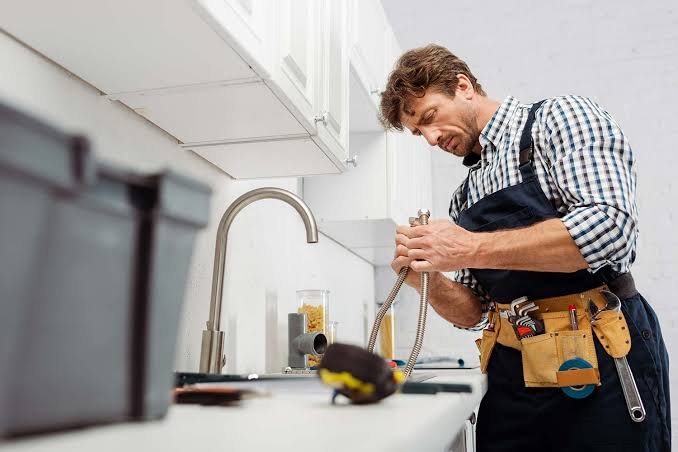
In some cases, faucets repair is a relatively simple job. In others, the fixture itself may have reached the end of its useful life.
Trying to force a corroded connection can sometimes turn a minor problem into a larger one. If the fitting is old or difficult to access, professional assistance may be the safer choice.
Pay Attention to Water Pressure
Water pressure can tell you quite a bit about your plumbing system.
If one faucet has weak flow, the problem might be a clogged aerator. If the entire house suddenly has low pressure, the cause could be more significant.
On the other hand, extremely high water pressure can place stress on pipes, appliances and fixtures.
Instead of replacing equipment at random, determine whether the issue affects one fixture or the whole property. That small distinction can point toward a completely different solution.
Drains Shouldn’t Constantly Fight Back
A slow drain isn’t always an emergency, but a drain that repeatedly blocks deserves attention.
Kitchen sinks can collect grease and food residue, while bathroom drains often struggle with hair and soap buildup. Over time, these materials can restrict water flow.
If the same drain keeps slowing down after cleaning, there may be a deeper obstruction or pipe issue.
Be cautious with aggressive chemical cleaners. They may offer temporary relief, but repeated use isn’t always the best answer and doesn’t necessarily remove the underlying problem.
Water Heaters Need Maintenance Too
Nobody wants to discover that the water heater isn’t working when they’re already late for work.
Watch for unusual noises, inconsistent temperatures, visible corrosion or water around the unit. These can be signs that maintenance or replacement may be needed.
If you’re replacing an older system, consider household usage rather than simply choosing the same capacity as the old unit. The right size and type can make a meaningful difference in comfort and efficiency.
Regular maintenance can also help identify problems before they become complete failures.
Plumbing During Home Renovations
Renovating a kitchen or bathroom is an ideal time to think about the plumbing hidden underneath all those beautiful finishes.
Old valves, aging pipes and worn connections can become expensive problems if they’re left untouched and then covered by new cabinets or flooring.
If you’re moving a sink, shower or toilet, the existing drainage and water lines need to accommodate the new layout. Planning these changes early can prevent unpleasant surprises halfway through a renovation.
Sometimes spending a little more during the renovation saves considerably more later.
Maintenance Doesn’t Have to Be Difficult
A few simple habits can go a long way.
Check exposed pipes occasionally. Look beneath sinks. Listen for toilets that keep running. Notice changes in water pressure. Don’t ignore strange smells or unexplained dampness.
It’s also smart to know where the main water shut-off valve is located. If a pipe bursts, quickly stopping the water can significantly reduce damage.
These are small things, but home maintenance is often about exactly that — noticing the little stuff before it becomes the big stuff.
Choosing a Plumber You Can Rely On
When hiring a plumber, don’t focus only on price.
Ask what the problem appears to be, what repair is recommended and whether there are alternative approaches. A good professional should be comfortable explaining the work in plain language.
Look for clear communication, relevant experience, reasonable pricing and a willingness to stand behind the workmanship.
The best plumbing relationship is one you build before an emergency happens. Having a professional you already know means you won’t be frantically searching for help while water is spreading across the floor.
Keeping Things Simple and Reliable
Plumbing doesn’t need to be exciting. In fact, the less you have to think about it, the better.
A dependable system delivers water when you need it, drains properly and keeps fixtures working without constant repairs. Reaching that point comes down to sensible equipment choices, regular attention and professional help when a problem goes beyond a simple fix.
Small leaks, strange noises and changing water pressure are worth noticing. Good maintenance isn’t about preventing every possible problem — that’s impossible. It’s about catching issues early and making thoughtful decisions.
Because when your plumbing is working quietly in the background, your home simply feels easier to live in. And really, that’s the whole point.