Most plumbing problems begin quietly. A tap takes a little longer to deliver hot water, the pressure in the shower drops, or a faint damp smell appears near a cupboard. Nothing seems serious enough to worry about, so you carry on with your day. Then, a few weeks later, another problem shows up.
For homeowners, these small warning signs can raise an important question: is one pipe causing trouble, or is the plumbing system starting to wear out altogether?
The answer matters. Repairing a single damaged section can be sensible and affordable, while leaving widespread pipe deterioration unchecked may lead to repeated leaks, damaged walls, and mounting repair bills. Understanding the difference helps you make a better decision without spending money on work your home doesn’t need.
The Warning Signs Your Plumbing Needs Attention
Pipes don’t usually fail overnight without any warning. In many homes, deterioration happens gradually, especially when the plumbing is old, exposed to harsh water conditions, or made from materials that have reached the end of their useful life.
One of the most noticeable signs is a change in water pressure. If several taps suddenly produce weaker flows, there may be a problem with the supply, a valve, mineral buildup, or a leak. When only one fixture is affected, the issue may be localised, such as a clogged aerator or a faulty valve.
Discoloured water is another reason to investigate. Brown or rusty water can sometimes indicate corrosion in metal pipes, although work on the municipal supply or other plumbing issues may also be responsible. If the discoloration persists, contact a qualified plumber rather than assuming the cause.
Pay attention to recurring damp patches, peeling paint, and unexplained increases in your water bill, too. A single leak can create these symptoms, but repeated problems in different parts of the house may point to a larger issue.
And don’t ignore the age of your plumbing. Older homes can contain pipe materials that are more vulnerable to corrosion or deterioration. Age alone doesn’t mean every pipe must be replaced, but it does make a professional assessment worthwhile.
Why Hidden Leaks Can Become Expensive
A visible drip beneath the kitchen sink is inconvenient, but at least you know where to look. The more troublesome problems often occur behind walls, beneath floors, or inside ceilings, where water can escape for days before anyone notices.
These hidden leaks may leave clues such as a persistent musty smell, unusually warm flooring, bubbling paint, or a water meter that continues moving when all fixtures are switched off. Sometimes, the first indication is a water bill that has climbed for no obvious reason.
Water doesn’t always appear directly beneath the damaged pipe. It can travel along framing, follow the underside of a floor, or collect in an enclosed space. That means repairing the visible damp patch without finding the source may only cover up the evidence.
If you suspect a leak, start with simple checks. Turn off taps and appliances that use water, then observe the meter if your supply setup allows it. Check visible pipework under sinks and around toilets. If the meter continues registering use, or moisture keeps returning, arrange a plumbing inspection.
Professional leak detection equipment can help locate the source while reducing unnecessary damage to walls and flooring. Acting early may prevent a relatively minor plumbing fault from turning into a costly restoration project.
When a Spot Repair Is the Sensible Choice
Not every plumbing issue calls for a major project. Sometimes, the problem really is limited to one damaged pipe, a worn connection, or a faulty fitting.
A spot repair involves fixing the affected section rather than replacing extensive lengths of pipework. It can be a practical option when the surrounding plumbing is in good condition and the source of the problem has been identified accurately.
Imagine a homeowner discovers a leak beneath a bathroom vanity. The plumber examines the pipe, finds a damaged connection, and confirms that the surrounding materials are sound. Replacing the faulty fitting may be all that’s needed. There is little reason to disturb the rest of the system without evidence of a wider problem.
The same principle applies to an isolated pipe leak inside a wall. If the damaged section is accessible and the remaining pipework is healthy, a targeted repair may offer a durable solution.
However, repeated patching deserves a closer look. If the same area keeps leaking, or new leaks appear in different rooms, the problem may be more widespread than it first seemed.
Before agreeing to another repair, ask what caused the failure and whether the surrounding pipes have been checked. A good plumber should explain why the proposed fix makes sense, including its limitations, rather than automatically recommending the most expensive option.
When Replacing the Pipes Makes More Sense
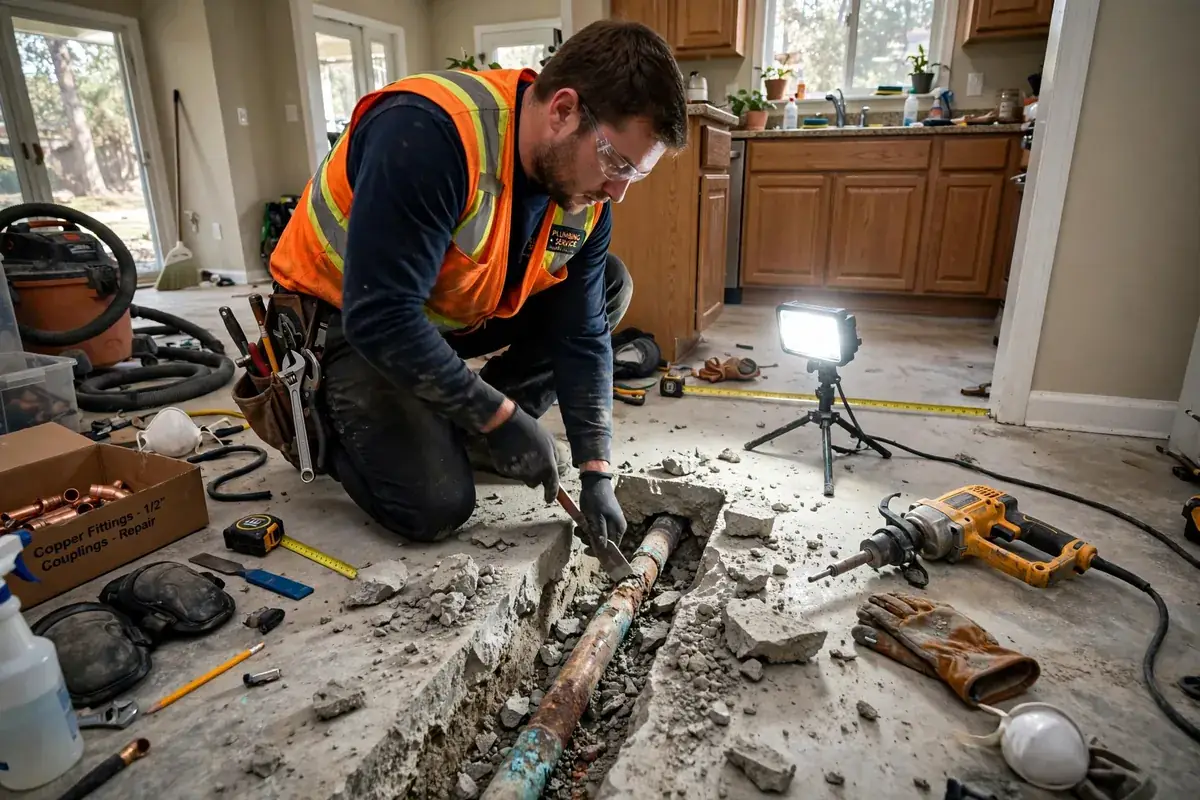
There comes a point when repeated repairs stop being economical. If your plumbing has widespread corrosion, recurring leaks, significant internal buildup, or several deteriorating sections, replacing part or all of the system may be the more practical long-term choice.
A full or partial repipe involves installing new piping to replace existing sections that are no longer reliable. The scope depends on the condition of the plumbing, the layout of the house, and the materials used.
For example, a home with multiple corroded metal pipes may experience recurring leaks and declining water flow. Repairing each failure individually could mean repeated labour costs, fresh damage to walls, and ongoing uncertainty about where the next leak will appear. In that situation, replacing the affected network may provide better long-term value.
Still, pipe replacement is a substantial decision. It can involve opening walls, accessing ceilings, temporarily interrupting the water supply, and repairing finished surfaces afterward. Ask for a clear explanation of which sections need replacement and why.
You should also discuss pipe materials, installation methods, warranties, permits where required, and the expected disruption. A reputable plumber will consider the existing system and local requirements instead of promising that one material is perfect for every home.
How to Make the Right Decision for Your Home
The best choice depends on more than the price of today’s repair. Consider the age and condition of the plumbing, how frequently problems occur, and whether previous repairs have lasted.
A single leak in otherwise healthy pipework usually calls for a different response from several leaks appearing across an older property. Likewise, low pressure caused by a clogged fixture doesn’t justify replacing the entire plumbing system.
Ask the plumber to explain the diagnosis in plain language. Which pipe or component has failed? Is there evidence of corrosion elsewhere? Can the repair be tested after completion? What are the likely costs of repairing the current problem compared with replacing the affected section?
Getting a second opinion can be worthwhile when the proposed work is extensive or expensive. Written estimates also make it easier to compare what’s included, rather than focusing on the headline price alone.
Don’t forget the condition of the surrounding home. Water damage may require drying and restoration even after the pipe has been fixed. Addressing the leak first helps prevent further moisture, but damaged materials may need separate attention.
A Little Maintenance Goes a Long Way
You can’t prevent every pipe failure, but regular checks can help you catch trouble before it spreads. Look beneath sinks occasionally, inspect exposed pipes for rust or moisture, and keep an eye on changes in water pressure and monthly usage.
Know where your main shut-off valve is located. If a pipe bursts, shutting off the supply promptly can limit the amount of water entering your home. If the leak is near electrical equipment, keep your distance and seek professional help.
Most importantly, don’t wait for a minor plumbing issue to become a household emergency.
A carefully chosen repair can keep a sound plumbing system working for years. When deterioration is widespread, replacement may offer greater peace of mind and fewer repeat callouts. The goal isn’t to repair everything or replace everything; it’s to understand what your home actually needs and choose a solution that will hold up over time.