Roof trouble has a way of appearing at the worst possible time. It might happen during a late-night downpour, just before guests arrive, or on a weekend when most businesses are closed. A sudden drip in the hallway can quickly turn into a bucket on the floor, towels scattered across the room, and a growing worry about what might be happening above the ceiling.
In these moments, knowing how to respond matters. Not every roofing issue is an emergency, but some problems can put people at risk or allow serious damage to develop in a short time. A calm, practical approach helps homeowners protect their property, understand their options, and avoid making a difficult situation worse.
Recognizing a Roofing Emergency
A few missing shingles may be something you can arrange to have repaired soon. An active leak near electrical equipment, a tree branch that has damaged the roof, or a visibly sagging ceiling is a different matter. These situations may require immediate attention because they can affect both the building and the safety of the people inside.
If you notice a strong smell of burning, sparks, or water reaching electrical fixtures, keep away from the affected area and contact the appropriate emergency professionals. A damaged ceiling that appears ready to collapse should also be treated seriously. Don’t climb onto a roof to investigate, particularly after heavy rain or strong winds.
Professional emergency services can help address urgent roofing problems, secure exposed areas, and determine what needs to happen next. Depending on the severity of the situation, temporary protection may be necessary before permanent repairs can begin. The first goal is to reduce immediate risks, not to rush through a complete renovation while the building is still unsafe.
What to Do Before Help Arrives
When water starts entering your home, the instinct is often to grab a ladder or climb into the attic. Resist that urge if the roof may be damaged. Wet surfaces are slippery, and storm-damaged materials can be unstable even when they look solid from the outside.
Instead, start by protecting people and belongings. Move furniture, electronics, rugs, and valuables away from the affected area if you can do so safely. Place a container beneath a small drip when the ceiling is stable, and use towels to catch splashes. Never stand beneath a bulging ceiling or attempt to puncture it to release trapped water.
Photograph visible damage from a safe location. Pictures of water stains, fallen branches, damaged gutters, and affected belongings can help contractors assess the situation and may support an insurance claim later. Keep notes about when the problem started and whether it became worse during rainfall.
If a contractor cannot arrive immediately, ask whether there are safe temporary measures you can take. Avoid makeshift roof repairs that involve climbing, walking across damaged areas, or using equipment you’re unfamiliar with. A short wait is inconvenient; a fall or further damage is much worse.
Finding the Actual Source of a Leak
Water doesn’t always enter a building directly above the spot where it appears indoors. It can travel along roof decking, rafters, insulation, or other components before reaching a ceiling or wall. This is why placing a bucket beneath a drip may manage the symptom without revealing the cause.
Professional leak detection and repair involves tracing the moisture back to its likely entry point and assessing the surrounding materials. A roofer may examine flashing around chimneys and vents, roof valleys, damaged shingles, seams, skylights, and other vulnerable locations. Gutters and downspouts may also need attention if poor drainage is contributing to the problem.
Interior conditions matter, too. A damp attic, peeling paint, musty odor, or recurring ceiling stain can provide clues about how long moisture has been present. Sometimes the cause isn’t the roof at all; plumbing leaks and condensation can create similar signs. A careful inspection helps distinguish between these possibilities.
Ask the contractor to explain the findings in everyday language. Photographs or written notes can make it easier to understand why the leak developed and which repairs are necessary. If the same area has leaked repeatedly, mention that history. Recurrent problems may indicate that an earlier repair addressed only part of the issue.
When Damaged Shingles Need Replacing
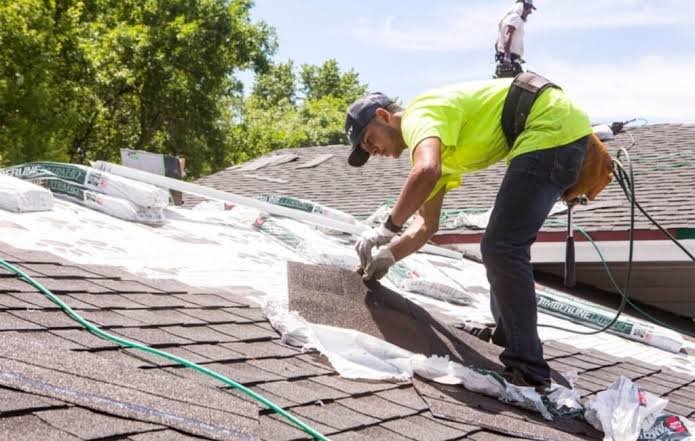
Shingles protect the roof from rain, wind, sunlight, and changing temperatures. Over time, they can crack, curl, loosen, or lose protective granules. Severe weather can accelerate the process, especially when strong winds lift shingle edges or hail strikes the surface.
Shingle replacement may be appropriate when individual shingles are missing or damaged but the surrounding roof remains in good condition. A contractor should check the nearby materials as well, since damage may extend beyond the most visible section. Flashing, underlayment, and roof decking can all affect whether a simple replacement will provide a lasting result.
Matching the existing roofing material is worth considering. Differences in color can be noticeable, particularly on newer roofs, and the correct shingle type helps maintain consistent performance. Availability may limit an exact match on older roofs, so discuss practical alternatives before work begins.
There are situations where replacing a few shingles isn’t enough. Widespread deterioration, repeated leaks, or damage to underlying materials may justify a broader repair or replacement plan. A trustworthy roofer should explain the reasoning and avoid recommending a full roof replacement without evidence that it is needed.
Understanding Estimates and Repair Priorities
Urgent repairs can create pressure to approve the first estimate you receive. Sometimes quick action is necessary, but that doesn’t mean you should be left in the dark about the work. Ask for a written breakdown that explains labor, materials, temporary protection, cleanup, and any additional costs that could arise if hidden damage is discovered.
Find out which work must be completed immediately and what can wait. Securing an opening and stopping active water entry generally take priority over cosmetic improvements. Once the property is protected, you can consider longer-term repairs based on the roof’s condition and your budget.
Check the contractor’s credentials, insurance, references, and warranty terms where applicable. Be cautious if someone demands full payment upfront, refuses to provide written details, or pressures you into signing immediately. Clear communication is especially important when you’re already dealing with the stress of property damage.
Insurance and Documentation
If a storm or sudden event caused the damage, contact your insurer to learn how to report it. Coverage depends on the wording of your policy, the cause of the loss, exclusions, and your deductible. Don’t assume that every roofing repair will be covered.
Keep copies of photographs, inspection reports, estimates, invoices, and communications. Ask whether an adjuster needs to inspect the damage before permanent work begins. Reasonable temporary steps to prevent further damage may still be necessary, so document what you do and keep receipts.
Helping Your Roof Stay Reliable
Once the immediate problem is resolved, consider what might prevent a similar issue in the future. Keep gutters clear, trim branches that hang over the roof, and arrange inspections after significant storms. Address minor damage before it spreads, and keep a record of previous repairs so recurring trouble spots don’t get overlooked.
Roof emergencies can be unsettling, but they become easier to manage when you know the next step. Prioritize safety, document what you can, seek a proper assessment, and ask questions before approving major work. A prompt response combined with thoughtful repairs can protect your home today and reduce the chances of facing the same problem again.