There’s something comforting about filling a glass of water straight from the kitchen sink without giving it a second thought. It’s part of everyday life—making coffee before sunrise, boiling pasta for dinner, washing fresh vegetables, or taking a long shower after a busy day. Water quietly supports almost every routine we have, which is probably why we tend to notice it only when something feels wrong.
Maybe your dishes come out cloudy from the dishwasher. Perhaps the water tastes slightly different after a storm, or you keep scrubbing stubborn white stains from bathroom fixtures. Sometimes there aren’t any obvious signs at all, and that’s what makes water quality such an interesting topic. Not every issue announces itself with strange smells or discoloration. Some remain hidden until testing reveals what’s really going on.
The good news? Understanding your water isn’t complicated, and even small improvements can make a surprisingly big difference in everyday life.
Every Home Has a Unique Water Profile
One thing homeowners often overlook is that water isn’t the same everywhere.
Even houses on the same street can experience different mineral levels, plumbing conditions, or groundwater characteristics. Municipal water systems follow strict treatment processes, but local infrastructure, seasonal changes, and household plumbing can still influence the water that reaches your tap. Private wells add another layer of variation because natural geology differs from one property to another.
That’s why copying someone else’s filtration setup rarely delivers the same results. Good water treatment begins with understanding your own water rather than assuming every home faces identical challenges.
The Little Signs Are Worth Paying Attention To
Water problems usually don’t arrive overnight.
Instead, they appear quietly.
Soap stops lathering quite as well. Towels lose their softness after washing. Faucets develop chalky deposits, and your coffee maker seems to need descaling more often than it used to.
None of these issues seem urgent on their own, which is why many people simply get used to them. Yet those small clues often point toward minerals or other characteristics that deserve a closer look.
Paying attention early can help prevent larger plumbing or appliance issues later.
The Best Solutions Begin With Good Information
It’s tempting to buy a filtration system after reading online reviews or hearing recommendations from friends.
But water quality is personal.
What works beautifully for one household may solve only part of the problem in another.
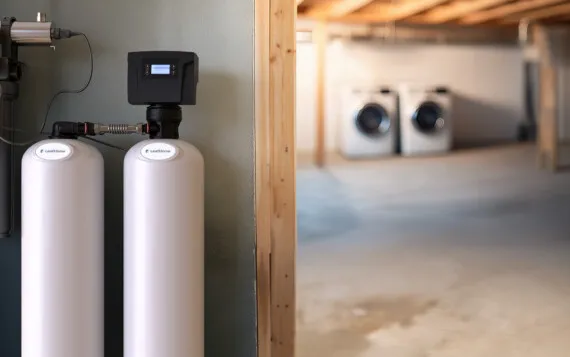
That’s why effective water treatment solutions always begin with understanding exactly what’s in the water. Rather than guessing, homeowners benefit from identifying the specific characteristics affecting their supply first. Whether the concern is hardness, chlorine, sediment, or naturally occurring minerals, targeted treatment produces much better long-term results than a one-size-fits-all approach.
Better information almost always leads to better decisions.
Testing Removes the Guesswork
Imagine visiting a doctor without any examination or diagnostic tests. Choosing water treatment without testing works in much the same way.
Professional analysis provides valuable insight into water hardness, pH levels, dissolved minerals, bacteria, and other potential concerns. More importantly, professional water testing helps homeowners understand which issues actually need attention and which don’t.
That knowledge prevents unnecessary spending on equipment that may never address the real problem.
Testing also creates a useful baseline for future comparisons, especially for homeowners using private wells where water conditions can change over time.
Knowing is always better than wondering.
Better Water Benefits More Than Drinking
When people think about water quality, they often focus on what goes into a drinking glass.
But water affects much more than hydration.
Every shower, load of laundry, dishwasher cycle, and meal preparation depends on the quality of the water flowing through your home. Hard water minerals can shorten appliance lifespan, reduce water heater efficiency, and leave residue on fixtures that seems impossible to eliminate.
Improving water quality creates benefits throughout the house, many of which become noticeable only after living with treated water for a while.
The changes are subtle, but they add up quickly.
Comfort Is Part of the Equation
One of the nicest surprises homeowners experience after improving water quality is how ordinary routines begin feeling… easier.
Skin often feels less dry after showering. Hair becomes more manageable. Towels stay softer, dishes sparkle with fewer water spots, and cleaning products seem to work more effectively because they’re no longer fighting mineral buildup.
Perhaps even more satisfying is enjoying cleaner water every time you turn on the tap, whether you’re filling a cooking pot, brewing tea, or simply grabbing a refreshing glass after a workout.
These aren’t dramatic transformations.
They’re quiet improvements that gradually become part of everyday life.
Maintenance Keeps Everything Working Smoothly
Installing a treatment system is only one step in the process.
Like any home equipment, filtration systems perform best when they receive routine maintenance. Filters eventually need replacement, treatment media reaches capacity, and certain systems benefit from periodic inspections to maintain peak performance.
Fortunately, today’s water treatment equipment is designed with convenience in mind. Many systems require only minimal upkeep while continuing to provide reliable performance for years.
Simple maintenance protects both the equipment and the quality of the water it produces.
Better Water Protects Your Investment
Water heaters, washing machines, dishwashers, plumbing fixtures, and coffee makers all depend on clean, balanced water.
Mineral buildup quietly forces these appliances to work harder than necessary, reducing efficiency and increasing wear over time. While the effects happen gradually, the repair bills eventually become noticeable.
Treating water should be viewed as preventive maintenance rather than an optional upgrade.
Protecting expensive household equipment today often saves significant money in the future.
Better Water Leads to Better Everyday Living
Some home improvements are obvious the moment they’re finished.
Fresh paint changes a room instantly.
New flooring transforms a space overnight.
Water quality improvements work differently.
Their value appears through hundreds of ordinary moments—a better-tasting cup of coffee, softer laundry, cleaner dishes, more enjoyable showers, and appliances that continue performing year after year without unnecessary strain.
Those experiences may seem small individually, yet together they create a home that simply feels healthier, more comfortable, and easier to maintain.
In the end, improving your water isn’t really about installing equipment. It’s about making thoughtful choices based on reliable information, protecting your home, and enjoying greater confidence every single time you turn on the faucet.
Sometimes the best improvements are the ones you hardly notice—because everything simply works the way it should.