Water has a funny way of reminding us how important it is only when it’s gone. A sudden pressure drop, an empty overhead tank, or a dry tap during peak summer is enough to make anyone realize that reliable water storage isn’t just about convenience—it’s about planning ahead.
Whether you’re managing a family home, an apartment complex, a commercial property, or an industrial site, the right approach to storing water can make everyday life far smoother. People often focus on pumps, pipelines, or filtration systems, but the storage tank quietly does one of the most important jobs in the entire setup.
Looking Beyond Just a Big Container
It’s easy to think that buying the largest tank available solves every problem. In reality, capacity is only one piece of the puzzle. A tank that’s too large can leave water sitting unused for long periods, while one that’s too small struggles to keep up with demand during busy hours.
This is where storage tank design becomes far more important than many people realize. Engineers consider expected water consumption, refill rates, climate conditions, available space, maintenance access, and future expansion before deciding what works best. It’s less about building the biggest tank and more about creating a system that performs reliably every single day.
A thoughtfully designed tank also reduces unnecessary wear on pumps and plumbing, helping the entire water system last longer with fewer maintenance headaches.
Every Building Has Different Needs
There’s no universal solution when it comes to water storage. A small suburban house doesn’t use water the same way a hospital, manufacturing facility, hotel, or school does.
Think about a busy apartment building. Morning hours usually bring a sharp spike in water usage as everyone showers, cooks breakfast, and gets ready for work or school. In contrast, an industrial facility may require a steady supply throughout the day to support production processes.
Understanding these usage patterns helps determine not only tank capacity but also the ideal placement and connection to the overall plumbing network.
That’s one reason professional planning often pays for itself over time. Avoiding oversized or undersized systems prevents costly upgrades later.
Why Material Selection Matters More Than People Expect
The material used for a storage tank has a direct impact on durability, maintenance requirements, and water quality.
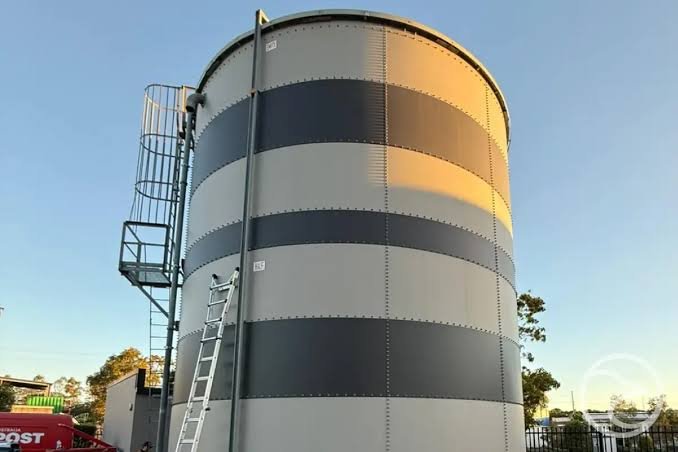
Plastic tanks remain popular because they’re lightweight, affordable, and resistant to corrosion. Steel tanks offer exceptional strength and are commonly chosen for industrial environments. Concrete tanks provide long-term stability, especially for underground installations or municipal projects.
Climate also influences material choice. Areas with extreme heat, freezing winters, or high humidity place different demands on storage systems. Selecting the wrong material may shorten the tank’s lifespan or increase maintenance costs.
It’s one of those decisions that’s easy to overlook initially but becomes obvious years down the road.
Keeping Water Safe Inside the Tank
Storing water isn’t only about having enough of it. The quality of that stored water matters just as much.
Dust, insects, algae growth, and sediment can gradually affect water quality if tanks aren’t properly protected. Well-designed systems include sealed covers, screened vents, overflow protection, and accessible cleaning points.
Regular inspections are equally important. Even the best-built tank benefits from occasional cleaning and maintenance. A little attention every year can prevent much larger problems later.
For facilities storing potable water, hygiene standards become even more critical because stored water eventually reaches kitchens, bathrooms, and drinking taps.
Planning for Growth Instead of Today’s Needs
One mistake many property owners make is designing their system around current usage alone.
Families grow. Businesses expand. Manufacturing output increases. Residential developments add new units. Water demand rarely stays exactly the same for very long.
A flexible storage strategy leaves room for future expansion without requiring an entirely new installation. Sometimes this means selecting modular tanks or planning pipe connections that can accommodate additional capacity later.
Thinking ahead often saves significant money compared to replacing an undersized system only a few years after installation.
Reliable Storage Supports Everyday Life
We tend to notice infrastructure only when it stops working. Water storage falls into that category.
Properly planned water storage tanks help maintain pressure during busy periods, provide emergency reserves during outages, support fire protection systems, and reduce interruptions caused by maintenance or utility repairs.
For businesses, this reliability can prevent costly downtime. For homeowners, it simply means everyday routines continue without unexpected disruptions.
It’s one of those investments that rarely gets attention when everything works—but quickly becomes appreciated when unexpected situations arise.
Sustainability Is Becoming Part of the Conversation
Modern water management isn’t only about storing treated municipal water anymore.
Many properties now integrate rainwater harvesting, recycled greywater systems, or sustainable irrigation practices into their overall water strategy. Storage tanks often become the central component connecting these systems together.
Combined with smart monitoring sensors, automatic level controls, and efficient pumping equipment, today’s installations waste less water while operating more efficiently.
As water conservation becomes increasingly important worldwide, storage solutions are evolving alongside changing environmental expectations.
Maintenance Is Simpler Than Most People Think
A well-installed storage tank doesn’t require constant attention, but a little preventive care goes a long way.
Simple practices like checking for leaks, inspecting inlet and outlet fittings, cleaning sediment buildup, and ensuring lids remain tightly sealed can dramatically extend the life of the entire system.
Monitoring water levels also helps identify unusual consumption patterns that may indicate hidden plumbing leaks elsewhere on the property.
These small maintenance routines often prevent expensive repairs that develop slowly over several years.
Building Confidence Through Reliable Water Systems
At its core, good water storage isn’t really about tanks at all. It’s about confidence.
Confidence that your home won’t suddenly run dry during a busy morning. Confidence that a business can continue operating during temporary supply interruptions. Confidence that emergency reserves are available when they’re truly needed.
That peace of mind comes from thoughtful planning, quality materials, regular maintenance, and systems built with both present and future needs in mind.
When every part works together, the result is something we often take for granted—a consistent water supply that quietly supports daily life without demanding constant attention. And honestly, that’s probably the highest compliment any water storage system can receive.