There’s a certain comfort in turning on the tap and expecting clean water every single time. Most of us never really think about it. We fill a kettle, rinse fresh fruit, brush our teeth, or pour a glass after coming in from the heat without giving the water much attention. It simply becomes part of the background of everyday life.
But for homeowners—especially those who rely on private wells—that confidence shouldn’t come from assumptions. It should come from knowing what’s actually in the water.
The challenge is that many water problems aren’t obvious. Some leave stains or unpleasant odors, while others remain completely invisible. That’s why routine testing isn’t just another household task. It’s one of the simplest ways to protect both your home and the people who live in it.
Clear Water Can Still Hide Problems
One of the biggest myths about drinking water is that clear water automatically means clean water.
Unfortunately, that’s not always true.
Many substances that affect water quality have no color, no noticeable smell, and no unusual taste. A glass of water can appear perfectly normal while still containing substances that deserve attention.
That’s exactly why visual inspection alone isn’t enough. Testing provides answers your eyes simply can’t.
Knowing is always better than guessing.
Where Water Quality Can Change
Water isn’t as constant as many people imagine.
Groundwater moves through different layers of soil and rock before reaching your well. Municipal systems can also experience seasonal changes, aging infrastructure, heavy rainfall, flooding, or maintenance work that temporarily influences water quality.
Even homes located close together can have surprisingly different water conditions.
Because water naturally changes over time, periodic testing remains important even if previous results looked excellent.
Understanding Microbial Risks
For well owners, one important concern is the possibility of bacteria in water .
Bacteria can enter a private well through flooding, damaged well caps, nearby surface runoff, or changes in underground conditions. Most homeowners won’t notice anything unusual because bacterial contamination usually doesn’t change the appearance or taste of water.
That’s why annual testing is commonly recommended for private wells, along with additional testing after flooding, plumbing repairs, or significant changes in water quality.
The earlier problems are identified, the easier they are to address.
Water Can Contain More Than One Issue
Sometimes homeowners focus on solving only the most noticeable problem.
Perhaps the water has an unpleasant odor or leaves mineral stains around fixtures. While addressing those concerns is important, it’s also worth remembering that water can contain multiple issues simultaneously.
Professional laboratory analysis evaluates bacteria and contaminants alongside mineral content, pH balance, nitrates, dissolved solids, and other important characteristics.
Looking at the complete picture allows homeowners to choose treatment solutions based on facts instead of symptoms alone.
A thorough understanding almost always leads to better long-term results.
Why Testing Saves More Than Money
Some people postpone water testing because everything seems fine.
Ironically, that’s often the best time to schedule it.
Routine testing helps identify small issues before they affect plumbing systems, household appliances, or family routines. It also provides a useful baseline for comparing future results if water conditions change later.
Preventive maintenance almost always costs less than emergency repairs or replacing damaged equipment.
Testing isn’t simply an expense—it’s an investment in avoiding bigger problems.
Choosing the Right Treatment Matters
Not every water problem requires the same solution.
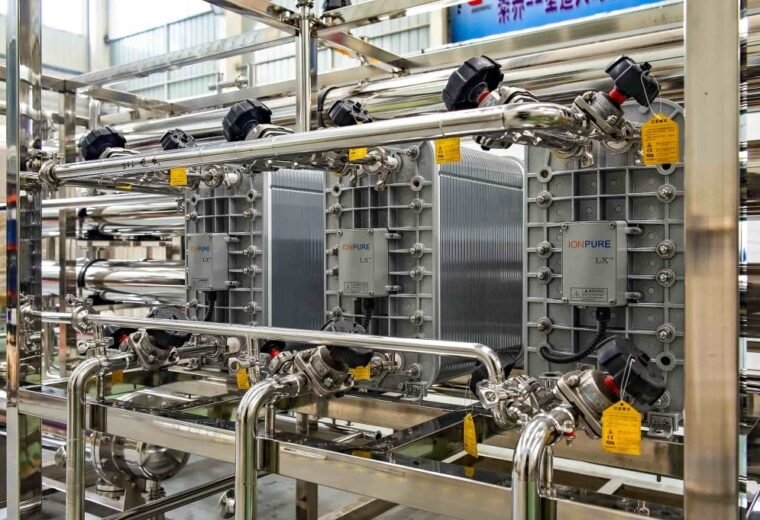
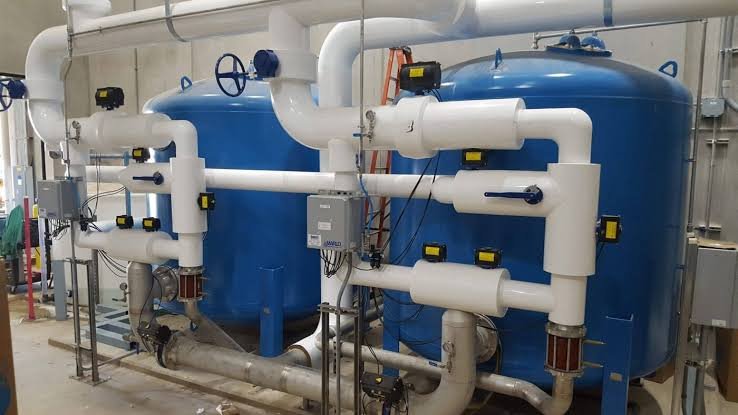
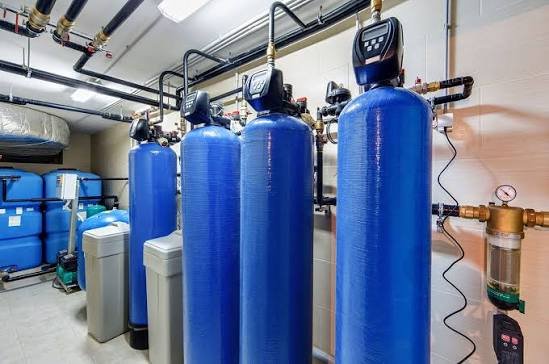
Some homes benefit from activated carbon filtration that improves taste and odor. Others require ultraviolet disinfection, sediment filters, reverse osmosis systems, or water softeners depending on the specific characteristics of the water.
That’s why purchasing filtration equipment before testing often creates disappointment.
The most effective treatment is always the one designed to solve your home’s actual water conditions rather than general assumptions.
Every household deserves a personalized approach.
Water Quality Influences Daily Life
It’s easy to think of water only as something we drink.
In reality, it affects nearly everything happening inside the home.
You shower with it. You cook meals with it. It washes your clothes, fills your coffee maker, supplies your dishwasher, and runs through expensive household appliances every day.
Better water often means brighter laundry, cleaner dishes, longer-lasting plumbing, improved appliance efficiency, and greater confidence in every glass you pour.
Small improvements quietly make everyday life more enjoyable.
Building Better Water Habits
Protecting household water doesn’t require complicated routines.
Testing your water annually, inspecting your well if you have one, replacing filtration cartridges on schedule, and paying attention to unusual tastes, odors, or changes in appearance are simple habits that make a meaningful difference.
These small steps require very little time but provide lasting reassurance.
Like changing smoke detector batteries or servicing your heating system, consistency matters more than complexity.
Why Water Safety Is About Confidence
When people hear the phrase water safety , they often think only about regulations or laboratory reports.
In reality, it’s much more personal than that.
It’s the confidence that comes from filling your child’s water bottle before school without hesitation. It’s preparing family meals knowing your water has been tested. It’s enjoying a cup of coffee without wondering whether the taste has changed because of an unseen issue.
Peace of mind isn’t something you can measure in gallons or test results, but it’s one of the greatest benefits of maintaining good water quality.
Small Decisions Create Long-Term Benefits
Many homeowners wait until a noticeable problem appears before thinking about their water.
A strange smell, discoloration, or plumbing issue finally grabs their attention.
But the smartest approach is usually much quieter than that.
Routine testing, preventive maintenance, and thoughtful treatment decisions help prevent many common water problems before they begin affecting daily life.
The effort involved is surprisingly small compared to the long-term benefits.
A Healthier Home Starts with Better Water
Water quietly supports almost every activity inside your home. From morning coffee to evening showers, it’s something your family depends on dozens of times every day.
Because it’s such an essential part of daily life, it deserves the same level of care as your heating system, roof, or electrical wiring.
Regular testing, appropriate treatment, and ongoing maintenance provide more than clean water—they provide confidence, comfort, and protection for the people who matter most.
At the end of the day, improving water quality isn’t about chasing perfection. It’s about making informed decisions, staying proactive, and ensuring that every drop flowing from your tap supports a healthier, safer, and more comfortable home for years to come.