Clean water should feel ordinary. You turn on the faucet, fill a glass, make dinner, and never have to wonder what’s hiding in the water. Yet when there’s an unusual taste, mineral buildup, unpleasant odor, or cloudy appearance, that simple routine can suddenly feel less simple.
Water quality can vary considerably from one property to another. The source of the water, local geology, plumbing, and even the age of a treatment system can influence what comes through the tap. That’s why choosing a purification system shouldn’t be about buying whatever has the longest list of features. It should begin with understanding the water in your own home.
Start With a Water Quality Check
Before choosing equipment, find out what you’re actually dealing with. A water test can reveal hardness, pH, dissolved minerals, sediment, chlorine, iron, and other characteristics that aren’t necessarily visible.
This step is especially useful when homeowners notice a problem but can’t identify the cause. A metallic taste, for example, can have several possible explanations. So can staining or mineral deposits.
Once the water has been evaluated, choosing among Water Purification Systems in Lancaster becomes a much more practical decision. Instead of guessing, you can focus on systems designed to address the specific conditions found in your water.
Why One System Doesn’t Fit Every Home
It’s tempting to think all water treatment systems do basically the same thing. They don’t.
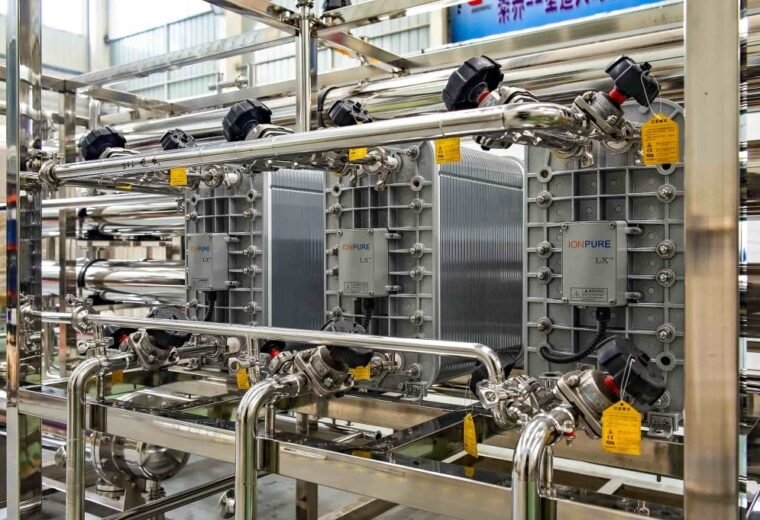
Water softeners are primarily designed to address hardness caused by minerals such as calcium and magnesium. Carbon filters may improve taste and reduce certain substances such as chlorine. Sediment filters are designed to capture particles. Reverse osmosis systems use a membrane to reduce many dissolved substances, particularly for drinking water applications.
The best choice depends on the problem.
A home with very hard water may need something different from a property dealing with sediment or an unpleasant taste. In some cases, more than one treatment technology can be useful.
Whole-Home or Point-of-Use?
Another important decision is where treatment should happen.
A point-of-use system, such as an under-sink filter, focuses on a specific faucet. That’s often enough when the main concern is drinking and cooking water.
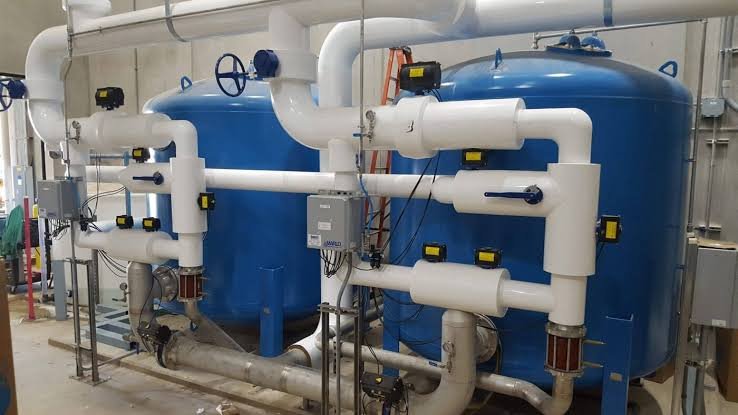
A whole-home system treats water before it travels through the plumbing. This can be helpful when homeowners want improved water quality in showers, bathrooms, laundry areas, and other fixtures as well.
Think about how your household uses water. If you’re mainly concerned about the taste of drinking water, a small targeted system may be perfectly reasonable. If the issue affects the entire home, broader treatment may make more sense.
Protecting Your Plumbing and Appliances
Water treatment isn’t only about the glass on your kitchen table. Your plumbing and appliances have to deal with the water every day, too.
Hard water can create scale inside water heaters, washing machines, dishwashers, and other equipment. Sediment can collect in certain plumbing components. Unwanted odors can make showers and laundry less pleasant.
Addressing the underlying water issue may help reduce these problems. It won’t eliminate the need for normal appliance maintenance, but it can be one part of protecting the equipment you rely on every day.
After all, replacing an appliance because of years of avoidable buildup isn’t exactly money well spent.
What Makes Water Purification Different?
Purification generally refers to treatment designed to reduce unwanted substances and improve the quality of water for a particular purpose. Depending on the technology, systems can address different contaminants or characteristics.
Reverse osmosis, ultraviolet treatment, carbon filtration, and other technologies all work differently. Some are better suited for drinking water, while others are designed for broader household applications.
That’s why it’s worth asking a few basic questions before purchasing anything. What does the system remove? What does it not remove? How often do filters need replacement? Does it require professional installation?
The answers can tell you far more than a flashy product description.
A Local Approach Can Be More Practical
Water conditions aren’t identical everywhere. Local geology, municipal supplies, private wells, and plumbing infrastructure can all influence water quality.
For homeowners looking for Clean, Clear Water for Your Home in Chester County, understanding local water conditions can therefore be helpful. A treatment professional familiar with the area may have experience with common water concerns and can use testing to make a more informed recommendation.
That doesn’t mean every home needs the same equipment. In fact, the opposite is usually true. Your home’s water should determine the solution.
Don’t Forget About Maintenance
A water purification system doesn’t install itself and then work forever. Filters eventually become saturated. Membranes need replacement. Tanks, valves, pumps, and other components may require inspection.
Keeping up with maintenance helps the system perform consistently. It also gives you an opportunity to notice small problems before they become expensive ones.
Keep records of filter changes and service visits. Pay attention to sudden changes in water pressure, taste, odor, or appearance. If something seems unusual, don’t simply assume it’s normal wear.
A little attention goes a surprisingly long way.
When Custom Treatment Makes More Sense
Some homeowners have straightforward water-quality concerns. Others have a combination of issues that can’t be handled effectively with a single off-the-shelf product.
That’s where custom water treatment solutions can be useful. A properly designed setup can combine different technologies according to the water test results and the household’s actual needs.
Customization doesn’t necessarily mean complicated or expensive. Sometimes it simply means choosing the right equipment size, filter type, or treatment location instead of relying on a generic package.
The goal should always be effectiveness and practicality.
Choosing With Confidence
There’s no need to become a water-treatment expert before making a decision. Start with testing, understand the results, and ask questions.
Think about what bothers you most. Is it hardness? Taste? Odor? Sediment? Appliance buildup? Do you want treatment only for drinking water, or throughout the home?
Once those questions are answered, the choices become much clearer.
The best water purification system is not necessarily the biggest, newest, or most expensive one. It’s the system that fits your water, your home, and your daily habits.
And when everything is working properly, you probably won’t think about the equipment at all. You’ll simply turn on the faucet, fill your glass, and get on with your day. That’s the quiet benefit of good water treatment—and really, that’s exactly how it should be.