
There’s something about surgery that still makes people pause. Even now, with all the advancements and reassuring statistics, the word itself carries weight. It’s not just a medical term—it’s an experience, a moment where trust, fear, and hope all sit together in the same room.
But if you listen closely to people who’ve been through it recently, you’ll notice a shift. The stories feel… softer. Less dramatic, more grounded. It’s not that surgery has become casual—it hasn’t—but the way it’s approached today feels different. More thoughtful, more precise, and in many ways, more human.
The Evolution of Everyday Procedures
Let’s start with something simple: not all surgeries are big, life-altering events. Many are routine, almost surprisingly so.
Modern surgical procedures cover a wide range of treatments—from minor corrections to more complex interventions. What’s changed isn’t just what surgeons can do, but how they do it. There’s more planning, more personalization, and a clear effort to reduce the impact on the patient.
You’ll see this even in pre-surgery conversations. Doctors don’t just explain what will happen—they walk you through why it’s necessary, what alternatives exist, and what recovery might look like. It feels less like being told and more like being included.
And that inclusion matters. It turns a stressful decision into a shared one.
Smaller Incisions, Bigger Relief
If there’s one area where patients feel the difference immediately, it’s in the physical impact of surgery.
The move toward minimally invasive techniques has changed the game. Instead of large cuts and long recovery periods, many procedures now involve small incisions and highly specialized tools. Surgeons work with cameras and instruments that allow them to operate with incredible precision.
For patients, this often means less pain, reduced scarring, and a faster return to normal life. It’s not just a technical improvement—it’s a quality-of-life upgrade.
There’s also a psychological shift. Knowing that a procedure won’t leave you sidelined for weeks makes it easier to move forward. It lowers the barrier, in a way. Surgery feels less like a disruption and more like a step toward getting better.
When Technology Becomes a Quiet Partner
Then there’s the role of technology—something that’s often talked about, but not always fully understood.
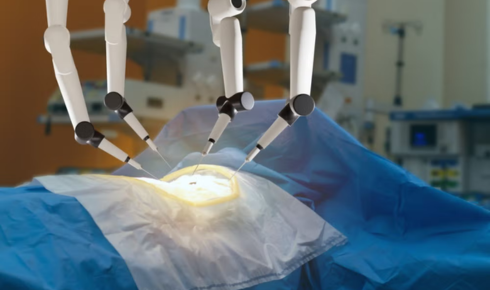
Take robotic surgery, for instance. It sounds complex, maybe even intimidating. But in practice, it’s surprisingly straightforward. Surgeons control robotic systems that translate their movements into smaller, more precise actions inside the body.
Think of it as an extension of the surgeon’s hands—steadier, more controlled, capable of reaching areas that might be difficult otherwise.
The benefits tend to be subtle but significant. Greater accuracy, less strain on surrounding tissues, and in many cases, smoother recovery. Patients might not see the technology directly, but they feel its impact.
And importantly, it doesn’t replace the human element. It enhances it. The decisions, the expertise, the judgment—they all still come from the surgeon.
The Experience Beyond the Procedure
What often gets overlooked in discussions about surgery is the experience surrounding it.
It’s not just about what happens in the operating room. It’s about how you’re treated before and after. The conversations, the explanations, the small gestures that make a big difference.
A nurse who checks in one more time. A doctor who doesn’t rush through your questions. Even the atmosphere of the hospital—calm, organized, not chaotic.
These details shape how patients remember their experience. They don’t change the outcome, necessarily, but they change how it feels. And that feeling stays with you.
Recovery, Reimagined
Recovery used to be something people dreaded almost as much as the surgery itself. Long hospital stays, limited movement, a sense of being stuck in a slow process.
That’s changed, too.
Today, recovery is often more structured, more predictable. Patients are given clear guidelines, realistic timelines, and support systems that help them navigate the process. There’s also a greater emphasis on getting back to normal life—not just physically, but mentally and emotionally.
It’s not always easy, of course. Healing takes time. But it feels less overwhelming when you know what to expect.
Making the Right Choice for You
If you’re facing surgery, one of the most important things to remember is that you have options. Not just in terms of procedures, but in how you approach the entire experience.
Ask questions. Take your time. Find a doctor who listens, who explains things clearly, who makes you feel comfortable. Because at the end of the day, surgery isn’t just about the technical outcome—it’s about the journey.
And that journey should feel right for you.
A Quiet Shift Worth Noticing
The changes in modern surgery haven’t been loud or dramatic. There’s no single moment where everything transformed overnight. Instead, it’s been a steady evolution—better tools, improved techniques, and a deeper understanding of what patients actually need.
And maybe that’s why it feels so real. It’s not a revolution—it’s progress, one step at a time.
Surgery will probably always carry a certain seriousness. That’s part of its nature. But today, it also carries something else—a sense of reassurance, shaped by experience and grounded in care.
And for anyone standing at that decision point, that reassurance can make all the difference.