It’s funny how something as ordinary as water can quietly shape your day without asking for attention. You turn on the tap, fill a glass, run a load of laundry — it all feels routine. But over time, certain small annoyances start to creep in. Nothing urgent, nothing dramatic. Just enough to make you wonder if something’s off.
For many homes, that “something” turns out to be hard water.
The Signs You Almost Miss
Hard water doesn’t announce itself loudly. It doesn’t flood your home or break your pipes overnight. Instead, it shows up in subtle ways. A cloudy film on your glassware. Soap that refuses to lather properly. Towels that feel a bit stiff, even fresh out of the wash.
You might shrug it off at first. Maybe blame your detergent or the brand of soap. But as weeks turn into months, those little signs become harder to ignore.
One of the biggest underlying issues is that hard water can cause scale buildup inside your pipes and appliances. It’s not visible right away, which makes it easy to forget about. But inside your water heater or dishwasher, minerals are slowly settling and hardening, layer by layer.
When Efficiency Starts Slipping
Here’s where things get a bit more frustrating.
As that buildup grows, your appliances have to work harder to do the same job. Water heaters take longer to heat. Dishwashers need more cycles. Washing machines don’t quite clean as effectively as they used to.
It’s a gradual decline, which makes it tricky to notice. But over time, you start to feel it — in your energy bills, in maintenance costs, in the way your appliances just don’t seem to perform like they once did.
That’s because mineral-heavy water can reduce appliance efficiency in ways that aren’t immediately obvious. It’s not a sudden breakdown, but a slow drain on performance that adds up.
The Visual Clues Around Your Home
Then there are the visible signs — the ones you can’t unsee once you notice them.
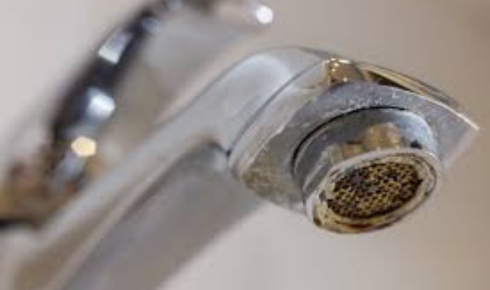
Faucets with a dull, chalky residue. Shower doors that never look fully clean, no matter how much you scrub. Even freshly washed dishes can come out with faint marks that catch the light just enough to be annoying.
These are classic signs of hard water. Minerals left behind after water evaporates, clinging to surfaces and building up over time.
And yes, it can leave spots on fixtures that seem to reappear no matter how often you clean. It’s not about effort — it’s about what’s in the water.
It’s Not Just About Looks
At first glance, hard water might seem like more of a cosmetic issue. Spots, residue, a bit of inconvenience. But it goes deeper than that.
Those same minerals affecting your fixtures are also interacting with your skin and hair. You might notice dryness, irritation, or hair that feels harder to manage. Again, nothing extreme — just enough to make you feel like something’s not quite right.
And over time, those small discomforts add up.
Finding a Way to Fix It
The good news is, hard water isn’t something you have to live with indefinitely. There are practical ways to manage it, and they don’t have to be overly complicated.
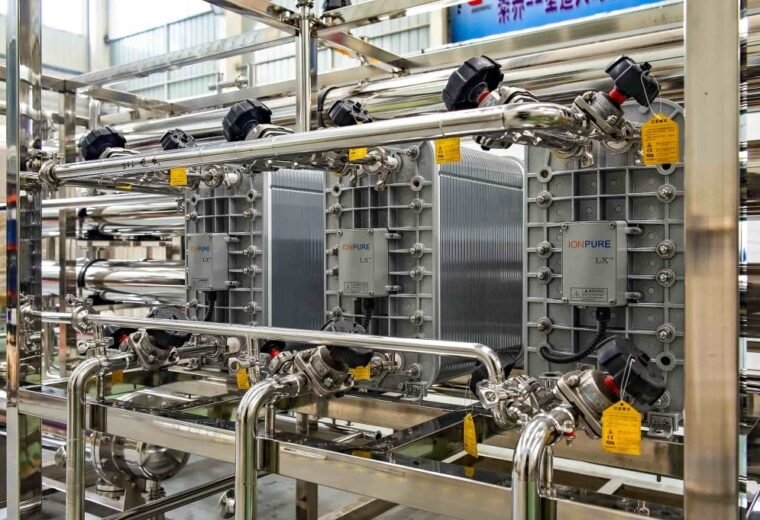
Water softening systems are one of the most common solutions. By removing or neutralizing excess minerals, they help restore balance to your water. Soap lathers better. Surfaces stay cleaner. Appliances run more smoothly.
It’s not an instant transformation, but the difference becomes noticeable fairly quickly.
Another helpful step is simply understanding your water. Testing it gives you a clearer picture of mineral levels and helps you choose the right approach. Because not all water is the same, and solutions work best when they’re tailored to your specific situation.
The Changes You Notice (and the Ones You Don’t)
What’s interesting about addressing hard water is how the benefits show up.
Some are obvious — cleaner dishes, softer laundry, fewer spots on your fixtures. Others are more subtle. Your appliances last longer. Your energy usage becomes more efficient. You spend less time scrubbing and more time… not thinking about water at all.
And that’s really the goal.
Water should support your routine, not complicate it. When it’s working the way it should, it fades into the background, quietly doing its job.
A Different Way to Look at It
It’s easy to overlook water because it’s always there. Reliable, familiar, easy to take for granted. But when it starts affecting your home in small, persistent ways, it’s worth paying attention.
Not with urgency or stress — just with awareness.
Because once you understand what’s happening, the path forward becomes clearer.
Closing Thoughts
Hard water isn’t a crisis, but it is a constant. A slow, steady influence on your home and daily life.
Taking steps to address it isn’t about chasing perfection. It’s about removing those small frustrations that build up over time — the spots, the inefficiencies, the quiet wear and tear.
And once those are gone, you’re left with something simple but meaningful: water that feels like it’s working with you again, not against you.