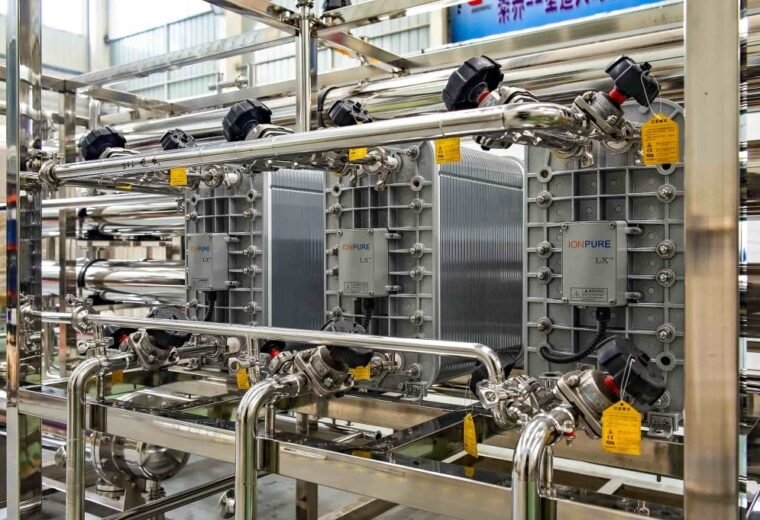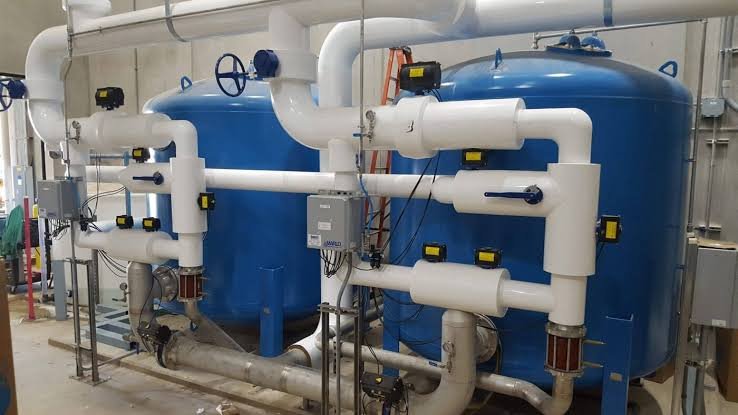
Water has always been one of those resources businesses depend on without thinking much about it. You turn on a faucet, equipment starts running, employees get to work, and the day moves forward. Simple enough. Yet behind that everyday routine is a surprisingly complex system that quietly influences operating costs, equipment performance, customer satisfaction, and even a company’s long-term sustainability.
The interesting thing is that water problems rarely arrive with a dramatic warning. More often, they creep in little by little. A small leak goes unnoticed. Mineral deposits slowly build inside equipment. Water pressure changes ever so slightly. Utility bills inch upward. By the time someone realizes something is wrong, the repair bill is often much larger than anyone expected.
That’s why modern businesses are shifting from reactive maintenance to proactive water management. Instead of waiting for something to fail, they’re investing in smarter technology that helps prevent problems before they interrupt daily operations.
Water Systems Are More Important Than They Seem
Every commercial property depends on water in its own way. Restaurants use it for food preparation and cleaning. Hotels rely on it to provide comfortable guest experiences. Manufacturing facilities often need water with very specific characteristics, while healthcare organizations depend on consistent quality for sanitation and medical equipment.
Despite those differences, every business shares one common expectation: reliable water.
When systems operate properly, nobody notices. When they don’t, nearly every department feels the impact.
Poor water quality can reduce equipment efficiency, increase maintenance costs, shorten the life of expensive machinery, and even affect customer perceptions without anyone immediately recognizing the source of the problem.
Technology Is Changing Water Management
Commercial water systems have evolved significantly over the past decade.
What once required manual inspections and routine guesswork can now be monitored using connected devices, automated alerts, and intelligent controls. Businesses no longer have to wait until equipment begins failing before taking action.
Instead, data helps identify trends early.
Flow rates, pressure changes, water usage, and equipment performance can all be tracked in ways that simply weren’t practical a few years ago. That means facility managers spend less time reacting to emergencies and more time optimizing operations.
It’s a subtle shift, but one that can make an enormous difference over time.
Why Businesses Are Exploring smart Kinetico add-ons
As commercial water technology becomes more advanced, many businesses are adding intelligent features that improve system performance without replacing existing equipment.
One example is smart Kinetico add-ons , which enhance water treatment systems through connected monitoring, automated notifications, and improved operational visibility.
Instead of relying solely on scheduled maintenance, facility managers receive useful insights about system performance as conditions change.
This allows businesses to address small maintenance needs before they grow into expensive repairs, helping reduce downtime while extending equipment life.
It’s less about adding complexity and more about making everyday water management considerably easier.
The Hidden Cost of Undetected Water Leaks
Leaks don’t always announce themselves with flooded floors or broken pipes.
In fact, many commercial leaks remain hidden behind walls, beneath foundations, or inside mechanical rooms for weeks—or even months. During that time, they quietly waste water, increase utility costs, encourage mold growth, and sometimes damage structural materials.
Unfortunately, by the time visible signs appear, repairs often involve much more than simply fixing a pipe.
Businesses may face damaged flooring, disrupted operations, expensive restoration work, and unexpected insurance claims.
That’s why identifying leaks early has become a priority for many commercial property owners.
The Value of professional leak detection services
Finding hidden leaks requires more than visual inspections.
Today’s professional leak detection services use specialized equipment such as acoustic sensors, thermal imaging, pressure testing, and digital diagnostics to locate problems with remarkable accuracy.
Instead of tearing apart walls or excavating large areas based on guesswork, technicians can often pinpoint leak locations while minimizing disruption to normal operations.
For businesses, that means lower repair costs, faster resolution, and significantly less downtime.
It’s a practical investment that often prevents much larger expenses later.
Better Information Leads to Better Decisions
One of the biggest advantages of modern water technology isn’t the equipment itself—it’s the information.
Business owners and facility managers can make smarter maintenance decisions when they understand exactly how their systems are performing.
Rather than replacing components on fixed schedules or waiting for equipment to fail, maintenance becomes condition-based.
That approach improves budgeting, reduces emergency repairs, and helps organizations plan future upgrades with greater confidence.
Simply put, better data usually leads to better outcomes.
Why monitoring solutions Matter More Than Ever
Commercial buildings are becoming increasingly connected, and water management is following the same trend.
Modern monitoring solutions provide continuous visibility into water usage, treatment system performance, pressure fluctuations, and operational efficiency.
Instead of relying on periodic inspections alone, businesses receive timely information that helps identify unusual conditions before they escalate.
For example, an unexpected increase in water consumption may indicate a hidden leak. Pressure changes might reveal equipment wear. Treatment performance trends can signal that maintenance should be scheduled before efficiency begins declining.
These insights help businesses stay ahead of problems instead of constantly reacting to them.
Sustainability Starts With Smarter Water Use
Water conservation has become an important goal for businesses across nearly every industry.
Reducing unnecessary consumption isn’t just environmentally responsible—it also lowers operating costs.
Efficient water management helps minimize waste, improves equipment performance, reduces energy usage, and extends the lifespan of commercial infrastructure.
When leaks are detected early and treatment systems operate efficiently, businesses naturally consume fewer resources while maintaining reliable service.
Sustainability doesn’t always require dramatic changes.
Sometimes it’s simply the result of paying closer attention to systems that quietly support daily operations.
Planning for Long-Term Success
The most successful businesses rarely wait for equipment to fail before making improvements.
Instead, they treat maintenance as an investment rather than an expense.
Routine inspections, smart monitoring technology, leak detection, and preventive maintenance all work together to create more predictable operations. Employees experience fewer disruptions, customers receive more consistent service, and facility managers gain greater confidence that essential systems will continue performing reliably.
It’s not about eliminating every possible problem.
It’s about reducing risk while improving efficiency over the long term.
Final Thoughts
Water may seem ordinary, but the systems that manage it have become anything but ordinary.
Today’s businesses have access to intelligent technologies that make water management more efficient, more accurate, and far more proactive than in the past. From connected system enhancements and advanced leak detection to real-time monitoring, these innovations help organizations protect valuable equipment, reduce operational costs, and avoid unexpected interruptions.
At the end of the day, smart water management isn’t simply about fixing problems. It’s about creating reliable operations that allow businesses to focus on serving customers, supporting employees, and growing with confidence.
When water works exactly as it should, most people never think about it—and honestly, that’s probably the best sign that everything is working well.