There’s a moment most homeowners don’t expect. You turn on the tap, lean in for a quick sip or wash your hands, and suddenly pause. Something smells… off. Not strong enough to panic, but enough to make you question it.
You try again. Same result.
And just like that, something you’ve always trusted—your water—feels slightly uncertain.
The First Clue Something Isn’t Quite Right
Water isn’t supposed to have a noticeable smell. So when it does, even faintly, it stands out immediately. It’s not like a leaky tap or a clogged drain where the problem is visible. This is subtler, more confusing.
Many people encounter sulfur water issues at some point, especially in areas where groundwater plays a big role. The smell is often described as “rotten eggs”—not pleasant, but oddly familiar once you notice it.
What’s tricky is how it can come and go. One day it’s strong, the next it seems to disappear, only to return when you least expect it.
What’s Behind That Smell?
In most cases, the cause is something called hydrogen sulfide gas. It’s a naturally occurring compound that can form in water under certain conditions, especially where organic material breaks down without much oxygen.
It doesn’t take much of it to create a noticeable odor. Even tiny amounts can affect how your water smells, even if everything else seems normal.
Sometimes, the source isn’t the water itself but your plumbing system. Water heaters, for example, can create an environment where this gas develops, particularly if water sits unused for a while.
So while the smell feels like a big problem, the cause is often something manageable once you identify it.
Why Smell Changes Everything
Here’s the thing—our sense of smell is powerful. It shapes how we feel about what we’re using, even if we can’t see anything wrong.
Water might look perfectly clear, but if it smells unpleasant, you hesitate. Drinking it feels uncomfortable. Cooking with it raises questions. Even basic tasks like washing dishes or showering feel different.
These kinds of odor problems aren’t just technical—they’re personal. They affect how you experience your home.
Temporary vs. Ongoing Issues
Not all water odors are constant. Sometimes, they’re linked to specific conditions.
For example, if the smell is stronger first thing in the morning and fades after running the tap, it could be due to water sitting in the pipes overnight. In that case, it’s more of a temporary buildup.
But if the smell is consistent—present no matter when you use the water—it’s likely tied to the source or a persistent issue within the system.
Understanding this difference can help you decide what to do next.
Simple Things You Can Check
Before jumping into solutions, it helps to observe.
Does the smell come from all taps or just one? Is it only in hot water? Does it fade after a few minutes?
These small details can point you in the right direction. If it’s limited to hot water, the water heater might be involved. If it’s everywhere, it could be coming from the supply or the main plumbing lines.
You don’t need to diagnose it perfectly—just gathering a few clues can make a big difference.
Finding the Right Solution
The good news is, most water odor issues can be addressed effectively.
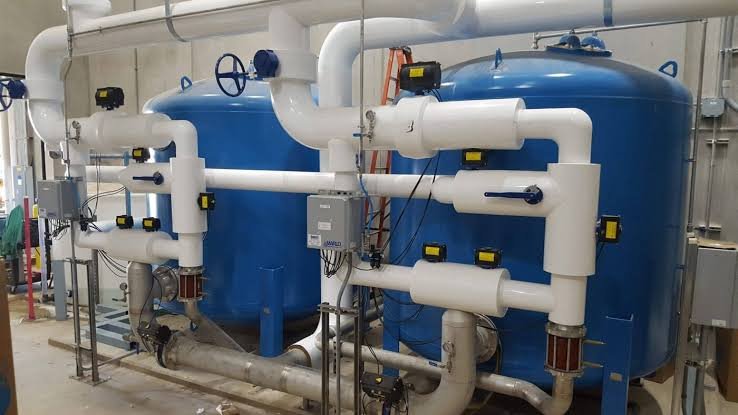
If the cause is bacterial, cleaning or disinfecting the system may help. If it’s related to sulfur compounds, filtration systems designed to remove them can make a noticeable difference.
In some cases, adjusting the water heater settings or replacing certain components is enough to resolve the problem.
It’s not always about installing something complex. Sometimes, it’s about targeting the specific cause.
Why Testing Can Be Worth It
If the issue feels unclear or persistent, water testing can provide clarity. It helps identify what’s actually present in your water and at what levels.
Once you have that information, solutions become more precise. You’re not guessing—you’re responding to real data.
And that makes the process much smoother.
A Return to Normal
When the problem is resolved, the change is immediate—but subtle.
Water feels like water again. No hesitation, no second-guessing. You turn on the tap, and everything works the way it should.
It’s one of those things you don’t think about once it’s fixed—but you definitely notice when it’s not.
A Final Thought
Water is one of those quiet essentials in life. It’s always there, supporting your routine without asking for attention.
So when something changes—even something as simple as a smell—it stands out.
The good news is, most of these issues are manageable. With a bit of understanding and the right approach, you can restore that sense of normalcy.
And sometimes, that’s all you really need—water that feels clean, neutral, and exactly the way it should be.