
My uncle has a theory about moving house in Chennai. “Do it before nine in the morning or don’t do it at all,” he says, usually while fanning himself with a newspaper. He learned this the hard way, shifting from T. Nagar to Velachery one May afternoon with the sun at full volume, a sofa wedged in a stairwell, and four exhausted helpers sitting on the curb asking for water every ten minutes.
He’s right, though. Chennai is warm, humid, and busy, and a move here asks for a little more planning than people tend to give it. Having helped a few friends through theirs (and survived my own, barely), here’s what I’d pass along.
The calendar matters more than you’d think
Start with the weather, because it shapes everything. April through June is hot enough to drain a loading crew by noon. October to December brings the northeast monsoon, and anyone who’s seen Chennai after a heavy night of rain knows how fast a road becomes a river. If you’ve got flexibility, aim for January to March. The air’s kinder, the roads are mostly dry, and movers aren’t stretched as thin.
Whatever month you choose, push for an early start. Seven or eight in the morning gives you a head start on traffic along OMR, GST Road, and Anna Salai, which all turn stubborn by late morning. Also check your apartment association’s rules. Some Chennai complexes only allow goods lifts for a fixed window, and a few want a deposit or a written intimation days ahead. Find that out first, not on moving day with a truck idling at the gate.
Choosing who carries your life
Search for Packers and Movers in Chennai and you’ll drown in results, a blur of identical logos, identical promises, identical “lowest price guaranteed” banners. The trouble is that none of that tells you who’ll actually show up at your door and treat your things properly.
So slow down a little. Ask each company for a physical survey, or at least a thorough video call where you walk them through every room. Open the cupboards. Show them the balcony storage, the heavy almirah, the washing machine, the pooja shelf. A quote given without seeing any of that is basically a guess, and guesses have a way of turning into surprise charges later.
Then collect three quotes and read them closely. Look at what’s included: packing material, loading, unloading, stair carry, reassembly of furniture, transit insurance. A suspiciously low number usually means something’s been left off the list, and you’ll find out when the bill arrives.
Recommendations beat advertisements
Online reviews help, but read them with a bit of suspicion. Glowing paragraphs with no detail don’t tell you much. A review that says the crew arrived forty minutes late but wrapped everything carefully and charged exactly what was quoted? That’s gold, and honestly more believable than a wall of perfect scores.
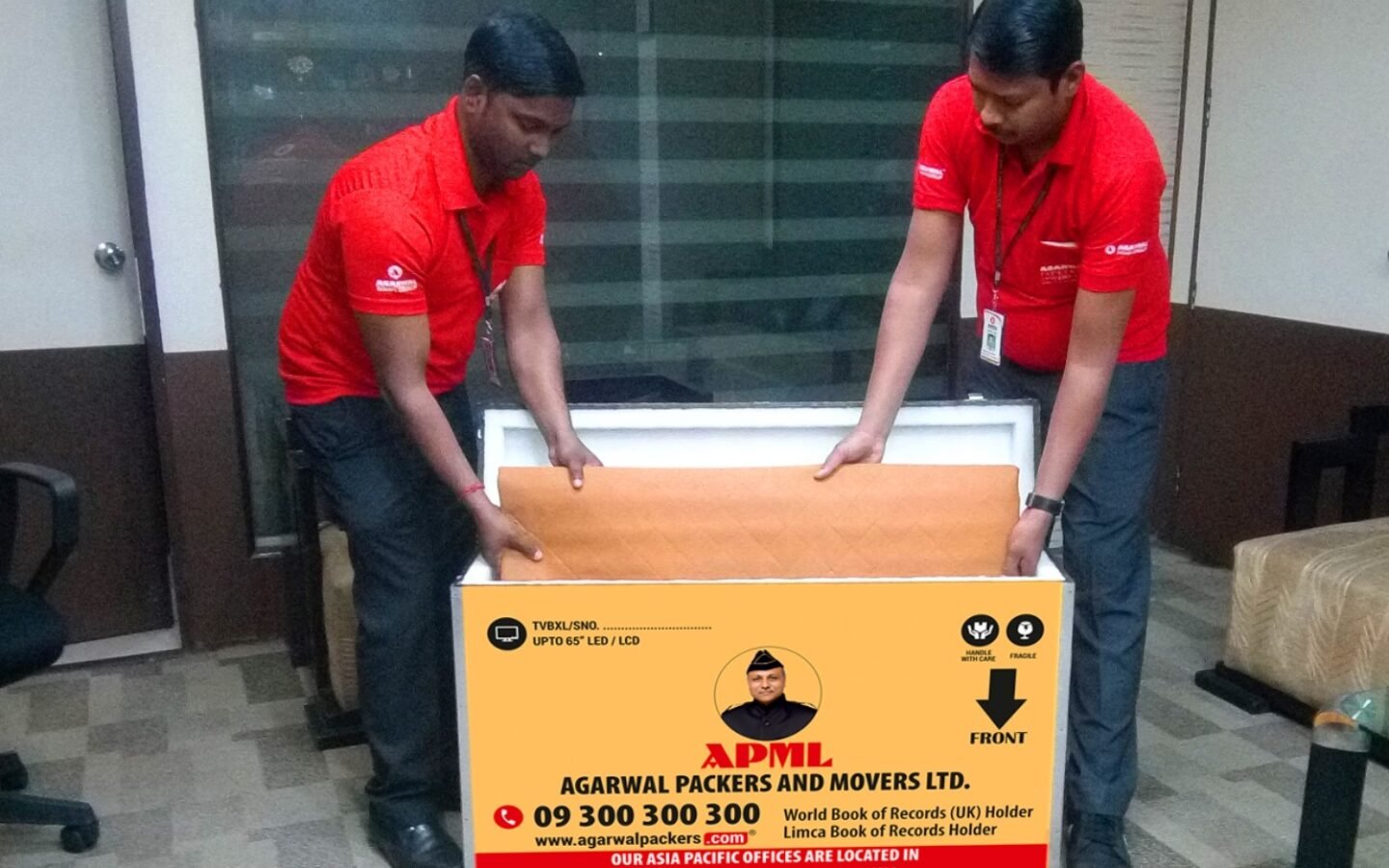
Even better is someone you know telling you about it over filter coffee. A colleague of mine once described how Agarwal Packers and Movers Chennai moved her parents from Adyar to Anna Nagar, and what stuck with me wasn’t some grand claim. It was that her mother’s old brass lamps arrived without a scratch, which in that household is a serious achievement. That’s the kind of small, specific detail worth listening for. Still, treat any single story as a starting point. Call them, ask for the survey, read the terms, and notice how they respond to awkward questions. How people answer before you’ve paid says a lot about how they’ll behave after.
What goes in a box, and what stays with you
Let the professionals handle the big, breakable, awkward stuff. They’ve got the foam, the corrugated sheets, the corner guards and the experience to wrap a glass-top table without sweating over it. TVs, mirrors, crockery, that giant wet grinder you swear you’ll never replace.
Keep the irreplaceable things close, though. Documents, laptops, chargers, jewelry, medicines, some cash, the kids’ school files. Put them in a bag that rides with you. My friend Karthik once spent three hours on moving night tearing open boxes to find his property papers, which had somehow been packed inside a carton labeled “kitchen towels.” Please don’t be Karthik.
Take photos of your furniture and electronics before they’re wrapped. It takes five minutes, and if something arrives dented, you’ll have a clean before-and-after instead of a he-said-she-said argument.
Lighten the load first
Here’s something people notice too late. You’re effectively paying for volume, so every box you don’t carry saves money and effort. Before the survey, go through everything with slightly colder eyes. Old clothes, dead electronics, the cracked plastic chairs, three kinds of mixer-grinder jars that fit nothing. Donate, sell, or toss.
It’s oddly freeing, actually. Arriving at a new flat with less stuff feels like starting a notebook on a clean page.
Moving day, and the strange quiet after
Be there. I know it’s tempting to leave it all to the crew, but someone has to direct traffic, confirm the inventory, and answer the dozen tiny questions that always pop up. Keep water and buttermilk around, since it’s Chennai and nobody works well dehydrated. Tip fairly if the team did well. And do one last lap of the old place: every shelf, every cupboard, the space above the loft. Somebody always forgets something.
Then comes the part nobody warns you about. The truck leaves, the boxes sit stacked in unfamiliar rooms, and you feel oddly hollow. That’s normal. Don’t try to unpack everything tonight. Set up the bed, find the kettle, order something warm. The rest will still be there tomorrow.
Moving never goes perfectly. Something will run late, something will end up in the wrong room, and someone will complain about the lift. But with a decent plan, honest questions, and a crew that actually listens, it becomes manageable. Maybe even a bit of a fresh start.
My uncle, by the way, still tells the sofa story at every family gathering. Everyone laughs now. Even him.